Gamplify
Objective: Design an intuitive gaming platform that connects players, teams, and coaches — enabling users to create or join teams, participate in tournaments, offer or receive coaching, and improve their skills in a streamlined and engaging environment.
Methodology & Approaches
User-Centered Design:
We identified three core user roles — players, coaches, and tournament organizers— and structured the platform UX around their needs. Each user path was designed to be clear, accessible, and tailored to specific goals like training, team building, or hosting competitions.
Game-Inspired Visual Language:
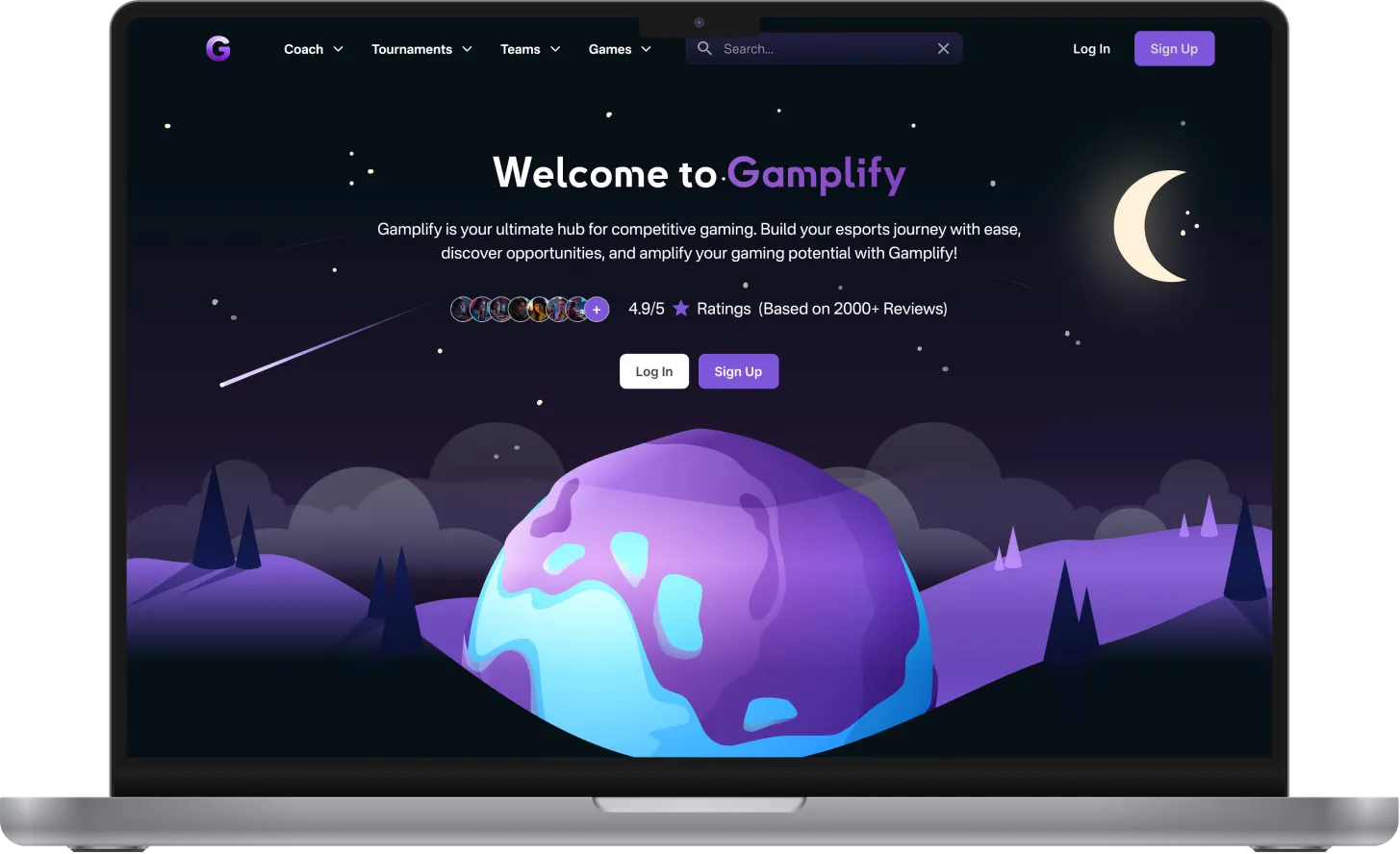
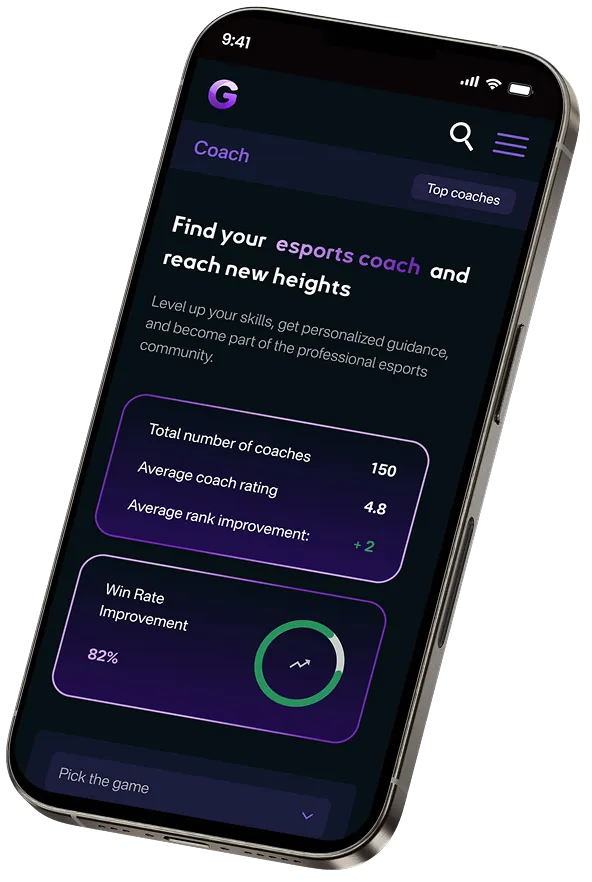
We used a dark theme with neon highlights, bold typography, and cyber-esports-inspired iconography to create a modern, immersive atmosphere. The style evokes the energy and excitement of gaming while maintaining clarity.
Collaborative Workflow:
As a design duo, we divided responsibilities but maintained continuous communication and feedback. Our collaboration ensured visual and UX consistency across all parts of the platform.
Component-Based UI System:
We created reusable components and defined consistent styles in Figma — including buttons, cards, status badges, and layout blocks. This approach allowed us to maintain a unified visual language throughout the design, even while working in parallel.
Implementation Stages
The success of the “Gamplify” platform was largely due to effective teamwork. We worked on the project as a pair of designers—each with our own responsibilities, but maintaining constant communication to preserve a cohesive style.
First, we defined the platform’s structure, focusing on real user scenarios: creating teams, finding mentors, participating in tournaments, and gamified learning. After discussions, we divided the work into blocks and, to avoid inconsistencies in visual presentation, created Design System. This included unified styles for typography, buttons, color palette, components, and navigation elements. This approach allowed us to quickly sync at every stage—from UX flows to final layouts. We regularly exchanged files, feedback, and tested designs with each other before moving forward.
The platform ended up with a modern, user-friendly interface where every element logically follows from the previous one. Our coordinated collaboration helped maintain a consistent rhythm and style, even while working on different parts of the platform.